

Practice Area
Workers' Compensation & Work Injury Lawyers in California
A workplace injury can put both your health and your income at risk. California’s workers’ compensation system provides benefits regardless of fault — and sometimes a separate claim against a third party is worth far more.
- FeeNo fee unless we win
- First conversationFree and confidential
- LanguageSe habla español
Overview
How these claims work.
Workers’ compensation is a no-fault system: you can receive medical treatment and wage-replacement benefits without proving your employer did anything wrong. In exchange, you generally cannot sue your employer directly. Acting promptly matters — you must report a work injury to your employer, generally within 30 days, and specific forms and deadlines follow.
Just as important, many work injuries involve someone other than the employer — a negligent driver, a defective machine or robot, or an unsafe property owner. Those “third-party” claims fall outside the comp system and can recover damages, like pain and suffering, that workers’ comp does not pay. We look for them in every work-injury case.
What We Handle
Work injuries we see
- Back, neck, and spinal injuries
- Repetitive-stress and overuse injuries
- Machinery, equipment, and robotics injuries
- Falls from heights and on the job
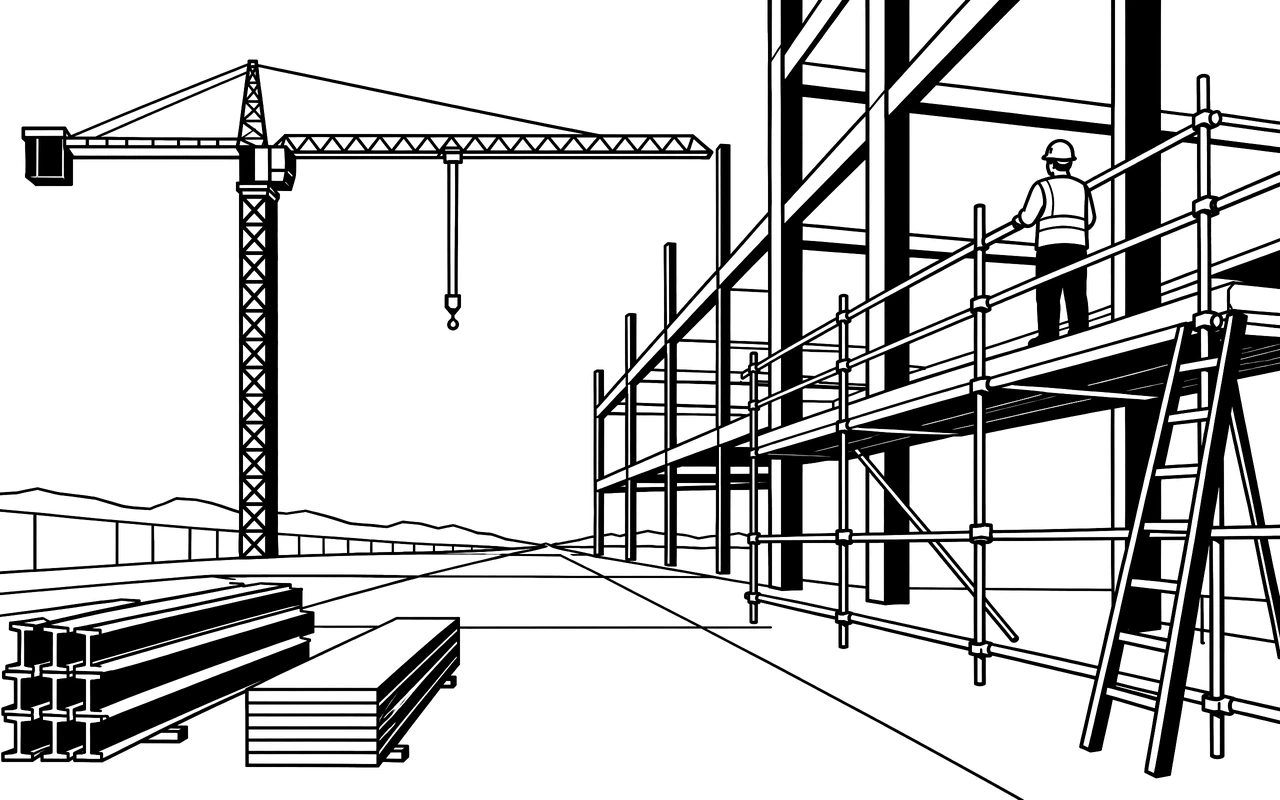
- Construction-site injuries
- Burns and electrical injuries
- Occupational illness
California Law
What you should know.
-
Report the injury within 30 days
California generally requires you to notify your employer of a work injury within 30 days, and a formal claim form (DWC-1) follows. Delay can jeopardize benefits, so report promptly and keep records.
-
Third-party claims can run alongside comp
If someone other than your employer caused the injury — a negligent driver, a defective product, or an unsafe property owner — you may have a separate civil claim, subject to the two-year deadline, that recovers damages workers’ comp does not.
General information, not legal advice. Deadlines and rules depend on the facts of your case, so talk to a lawyer about yours. Read our FAQ.
How We Help
What Reardon Stodolka brings to your case.
-
We read the medicine, not just the file
The firm was built around reading treatment records the way clinicians do — connecting the mechanism of your injury to the diagnosis, the prognosis, and the long-term cost. That is what stops an insurer from dismissing a serious injury as minor.
-
California is the whole practice
Deadlines, comparative-fault rules, and the insurers and courts you will face are all California-specific. The work is built around how injury claims actually move here, from the first claim letter to trial if it comes to that.
-
No fee unless we win
You pay nothing up front and nothing unless we recover for you. The first conversation is free and focused on giving you a clear, honest read on your claim.
Can I sue my employer for a work injury?
Usually not directly — workers’ compensation is the trade-off for no-fault benefits. But if a third party caused your injury, you may have a separate civil claim against them in addition to your comp benefits.
What is a third-party claim?
It is a claim against someone other than your employer — for example, a negligent driver, a defective machine’s manufacturer, or an unsafe property owner. It can recover damages such as pain and suffering that workers’ comp does not cover.
How quickly do I need to act after a work injury?
Report the injury to your employer right away — generally within 30 days. If a third party was involved, the civil claim has its own deadline, usually two years, so get advice early.
Free Case Review
Ready to talk about your case?
Share what happened and the questions weighing on you. The first conversation is free, confidential, and focused on clarity — with no fee unless we win.