

Practice Area
Robot Injury Lawyers in California
Humanoid robots, warehouse cobots, delivery bots, and autonomous machines are moving into workplaces, hospitals, and homes across California. When one of them injures a person, the law of product liability and negligence already has answers — and we are ready to apply them.
- FeeNo fee unless we win
- First conversationFree and confidential
- LanguageSe habla español
Overview
How these claims work.
Robotics is arriving faster than most people realize: collaborative arms working beside warehouse staff, autonomous sidewalk and road delivery units, surgical and assistive robots in healthcare, and the first generation of general-purpose humanoid robots. When these systems malfunction, misjudge a person, or are deployed without adequate safeguards, the injuries can be severe — and someone is responsible.
A robot injury is, at its core, a product and negligence case. Liability can reach the manufacturer for a design or software defect, the company that deployed the robot without proper guarding or training, and any party that maintained or modified it. We bring the same habit that defines the firm — reading the technical and medical record closely — to a field where the evidence lives in sensor logs, firmware, and safety-system design.
What We Handle
How robots cause injuries
- Collisions with autonomous delivery or mobile robots
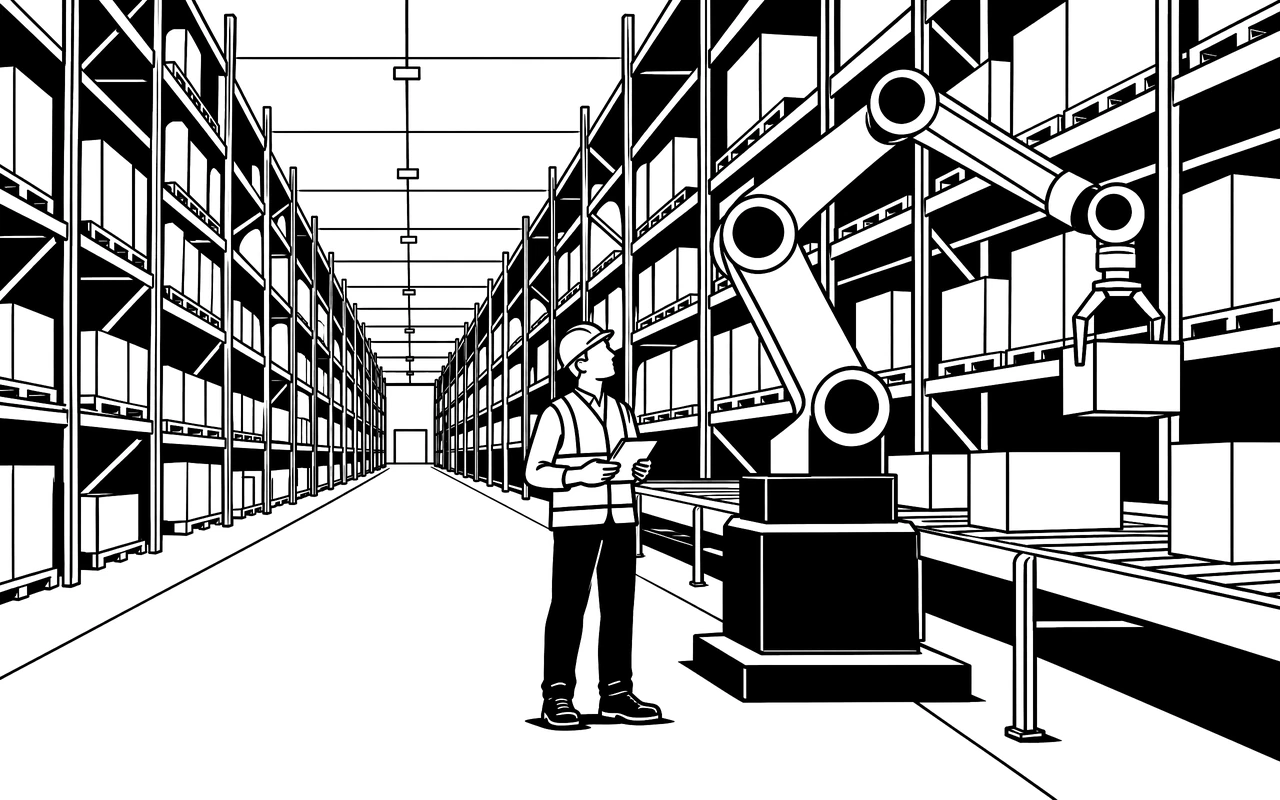
- Crush and pinch injuries from collaborative arms (cobots)
- Failure of a safety stop or proximity sensor
- Warehouse and manufacturing automation incidents
- Surgical and assistive-robot malfunctions
- Falls or impacts involving humanoid service robots
- Defective software, sensors, or fail-safes
California Law
What you should know.
-
California product liability already applies
California is a strict product liability state. Under the doctrine rooted in Greenman v. Yuba Power Products, a manufacturer can be liable for a design defect, a manufacturing defect, or a failure to warn — without the injured person having to prove negligence. That framework fits defective robots squarely.
-
Negligent deployment is its own claim
A robot that is safe by design can still injure people when it is installed without guarding, run without training, or kept in service past its limits. The business that put it to work owes a duty of reasonable care, and the ordinary two-year deadline for injury claims applies.
General information, not legal advice. Deadlines and rules depend on the facts of your case, so talk to a lawyer about yours. Read our FAQ.
How We Help
What Reardon Stodolka brings to your case.
-
We read the medicine, not just the file
The firm was built around reading treatment records the way clinicians do — connecting the mechanism of your injury to the diagnosis, the prognosis, and the long-term cost. That is what stops an insurer from dismissing a serious injury as minor.
-
California is the whole practice
Deadlines, comparative-fault rules, and the insurers and courts you will face are all California-specific. The work is built around how injury claims actually move here, from the first claim letter to trial if it comes to that.
-
No fee unless we win
You pay nothing up front and nothing unless we recover for you. The first conversation is free and focused on giving you a clear, honest read on your claim.
Is there really a legal claim if a robot injures someone?
Yes. A robot is a product operated by people and companies. California’s product liability and negligence law applies to the manufacturer, the deployer, and maintainers — the technology is new, but the legal framework is well established.
A cobot or machine hurt me at work. Isn’t that just workers’ comp?
Workers’ compensation may cover your wage loss and treatment regardless of fault, but if a defective robot or a third party caused the injury, you may also have a separate product-liability or negligence claim worth far more. We evaluate both.
Who is responsible when an autonomous robot causes harm?
Often more than one party: the maker of the robot or its software, the company that deployed it, and anyone who maintained or altered it. We trace the sensor and system evidence to establish what failed and who is accountable.
Free Case Review
Ready to talk about your case?
Share what happened and the questions weighing on you. The first conversation is free, confidential, and focused on clarity — with no fee unless we win.