

Practice Area
Slip & Fall Lawyers in California
A fall on someone else’s property can break bones and cause lasting injury — and property owners are quick to claim you simply weren’t watching where you were going. We prove the hazard and the owner’s responsibility for it.
- FeeNo fee unless we win
- First conversationFree and confidential
- LanguageSe habla español
Overview
How these claims work.
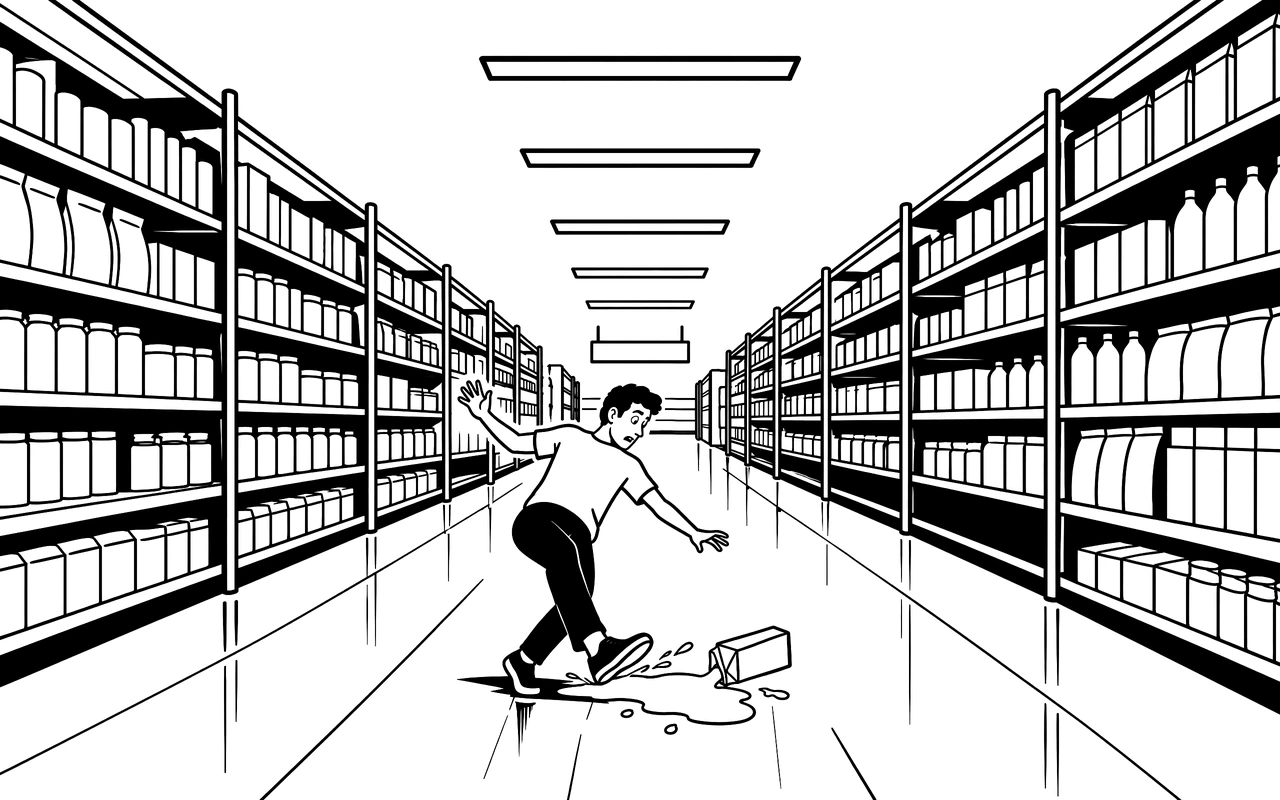
Slip-and-fall claims are a form of premises liability. Property owners and businesses in California have a duty to keep their premises reasonably safe and to warn of hazards they know about or should have discovered — wet floors, broken stairs, poor lighting, uneven walkways, and the like.
Winning these cases turns on showing the owner knew or should have known about the danger and failed to fix or warn of it. We move quickly to capture surveillance video, incident reports, and maintenance records before they disappear, and we document your injuries thoroughly.
What We Handle
Common slip & fall injuries we handle
- Hip and pelvic fractures
- Wrist and arm fractures
- Head injuries and concussions
- Back and spinal injuries
- Knee and shoulder injuries
- Soft-tissue injuries
- Injuries to older adults from falls
California Law
What you should know.
-
You must show notice of the hazard
A property owner is generally liable only if they knew or reasonably should have known about the dangerous condition and failed to address it. Surveillance footage and maintenance records are often what prove that knowledge.
-
Comparative fault and the two-year clock
Owners often argue you were not paying attention. Under pure comparative negligence you can still recover, reduced by any share of fault. Claims must generally be filed within two years, or six months against a government entity.
General information, not legal advice. Deadlines and rules depend on the facts of your case, so talk to a lawyer about yours. Read our FAQ.
How We Help
What Reardon Stodolka brings to your case.
-
We read the medicine, not just the file
The firm was built around reading treatment records the way clinicians do — connecting the mechanism of your injury to the diagnosis, the prognosis, and the long-term cost. That is what stops an insurer from dismissing a serious injury as minor.
-
California is the whole practice
Deadlines, comparative-fault rules, and the insurers and courts you will face are all California-specific. The work is built around how injury claims actually move here, from the first claim letter to trial if it comes to that.
-
No fee unless we win
You pay nothing up front and nothing unless we recover for you. The first conversation is free and focused on giving you a clear, honest read on your claim.
Is a property owner automatically responsible if I fall?
No. You generally must show the owner knew or should have known about the hazard and failed to fix or warn of it. That is why preserving video and maintenance records quickly is so important.
The store says I wasn’t watching where I was going. Does that defeat my claim?
Not by itself. Even if you were partly at fault, California’s pure comparative negligence lets you recover an amount reduced by your share of fault.
What should I do after a fall on someone’s property?
Report it, photograph the hazard, get the names of witnesses, seek medical care, and contact a lawyer quickly so evidence like surveillance video can be preserved.
Free Case Review
Ready to talk about your case?
Share what happened and the questions weighing on you. The first conversation is free, confidential, and focused on clarity — with no fee unless we win.