

Practice Area
Bicycle Accident Lawyers in California
Cyclists have the same right to the road as drivers — and far less protection when a driver ignores it. We document the crash and the injuries so the driver, not the rider, answers for what happened.
- FeeNo fee unless we win
- First conversationFree and confidential
- LanguageSe habla español
Overview
How these claims work.
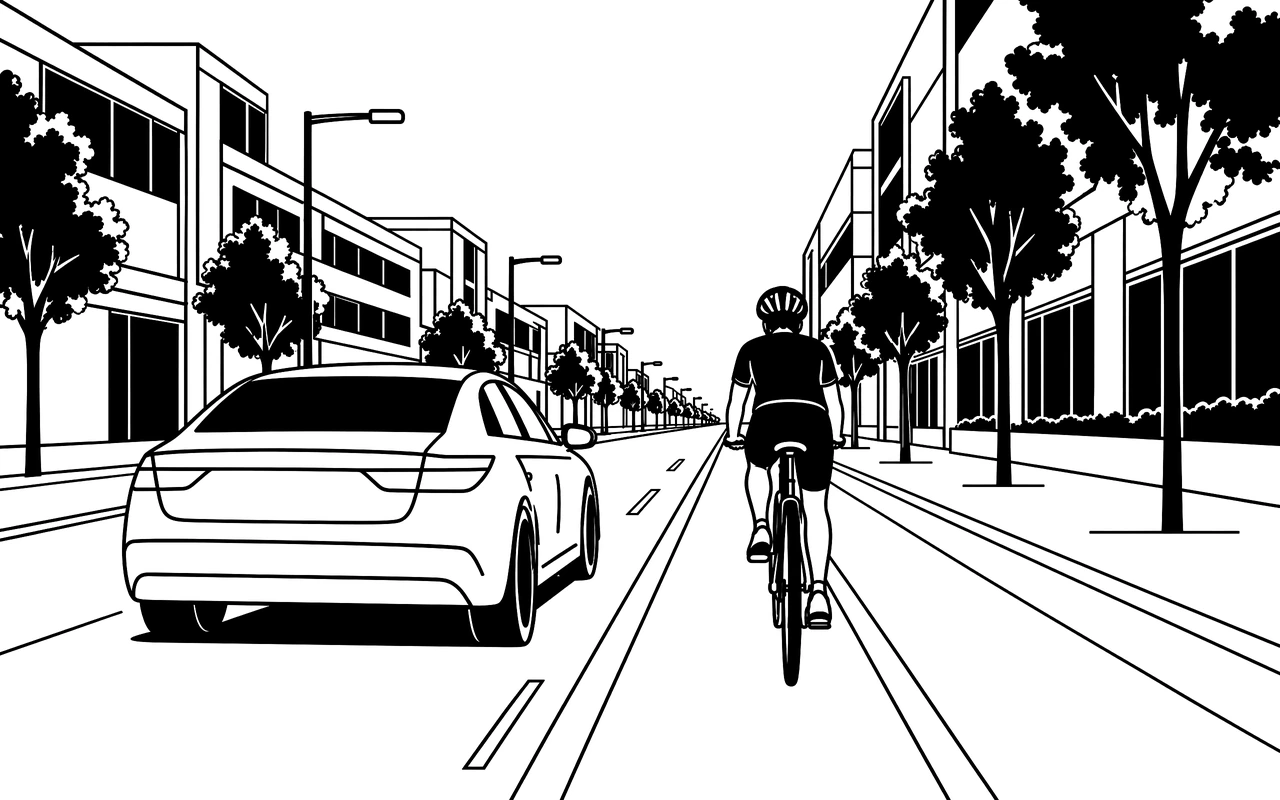
California treats a bicycle as a vehicle with full road rights, and the state’s Three Feet for Safety Act requires drivers to give cyclists a wide berth when passing. Many serious bike crashes come down to a driver who turned across a bike lane, opened a door, or simply was not looking.
Insurers often argue the cyclist was hard to see or was riding unsafely. We counter with the rules of the road, physical evidence, and a clear medical picture, so the claim reflects both the driver’s fault and the rider’s real injuries.
What We Handle
Common bicycle accident injuries we handle
- Traumatic brain injury and concussions
- Facial and dental injuries
- Collarbone and shoulder fractures
- Wrist, arm, and hip fractures
- Spinal injuries
- Severe abrasions and road rash
- Joint and soft-tissue damage
California Law
What you should know.
-
The Three Feet for Safety Act
California requires drivers to leave at least three feet when passing a cyclist. A driver who fails to do so and causes a crash has violated the law, which strengthens the liability case.
-
Cyclists have full road rights
A bicycle is treated as a vehicle in California. A cyclist riding lawfully has the right of way like any other vehicle, and a driver cannot escape responsibility by claiming bikes do not belong on the road.
General information, not legal advice. Deadlines and rules depend on the facts of your case, so talk to a lawyer about yours. Read our FAQ.
How We Help
What Reardon Stodolka brings to your case.
-
We read the medicine, not just the file
The firm was built around reading treatment records the way clinicians do — connecting the mechanism of your injury to the diagnosis, the prognosis, and the long-term cost. That is what stops an insurer from dismissing a serious injury as minor.
-
California is the whole practice
Deadlines, comparative-fault rules, and the insurers and courts you will face are all California-specific. The work is built around how injury claims actually move here, from the first claim letter to trial if it comes to that.
-
No fee unless we win
You pay nothing up front and nothing unless we recover for you. The first conversation is free and focused on giving you a clear, honest read on your claim.
A driver “doored” me. Is that my fault?
Generally no. California law requires people to check before opening a car door into traffic. A driver or passenger who opens a door into a cyclist is typically at fault.
I wasn’t wearing a helmet. Does that bar my claim?
For adults, helmets are not required in California, and even where helmet use is raised, comparative negligence allows recovery reduced by any fault rather than eliminated.
The driver says they never saw me. Does that help them?
No. Drivers have a duty to watch for cyclists. Failing to see a rider who had the right of way is evidence of negligence, not a defense.
Free Case Review
Ready to talk about your case?
Share what happened and the questions weighing on you. The first conversation is free, confidential, and focused on clarity — with no fee unless we win.