

Practice Area
Pedestrian Accident Lawyers in California
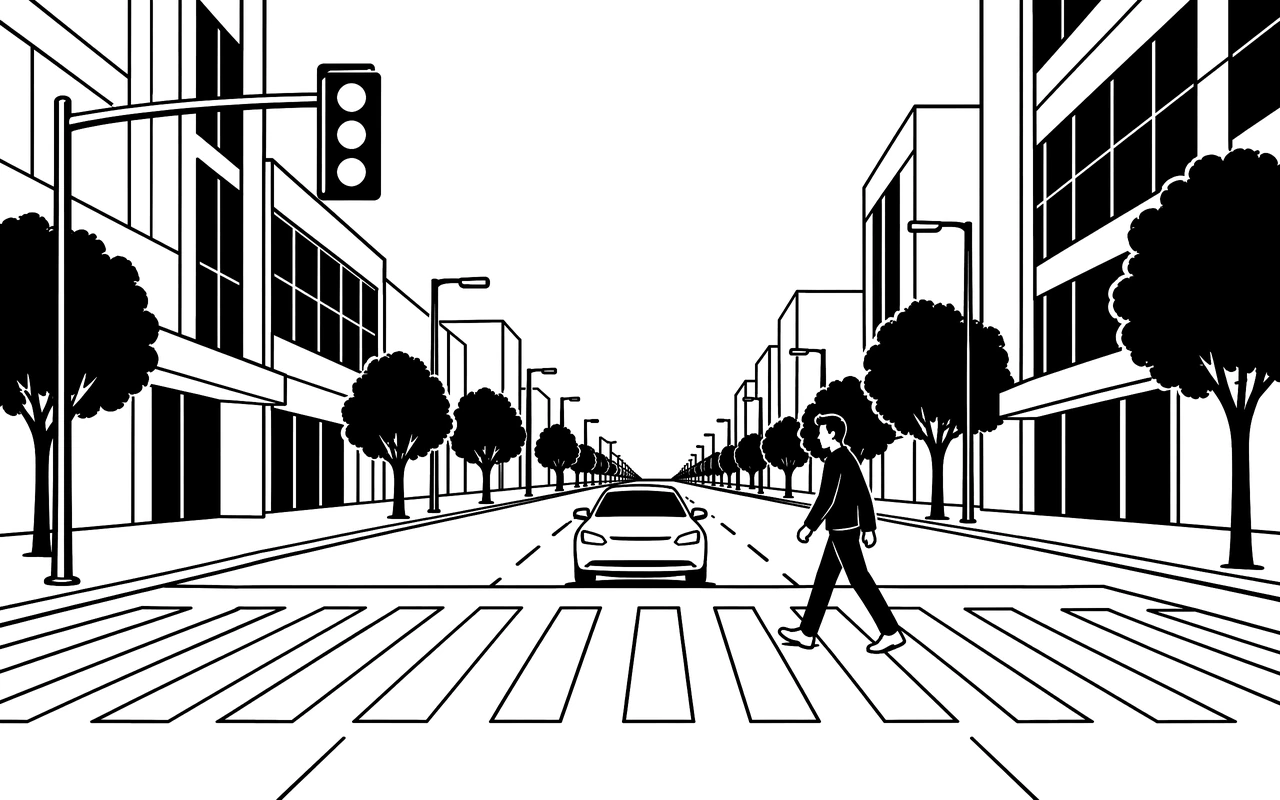
A person on foot has no protection in a collision, and the injuries are often catastrophic. We hold drivers accountable and counter the reflexive claim that the pedestrian “came out of nowhere.”
- FeeNo fee unless we win
- First conversationFree and confidential
- LanguageSe habla español
Overview
How these claims work.
California law gives pedestrians significant protections, particularly in marked and unmarked crosswalks, but drivers and their insurers often argue the pedestrian was jaywalking or distracted. We use traffic signal timing, video, and witness statements to establish right of way and show what the driver should have seen.
Because pedestrian impacts so often cause severe, life-changing injuries, the long-term medical and care costs are central to the claim. We document the full arc of treatment and future needs so a settlement reflects the real cost of recovery.
What We Handle
Common pedestrian accident injuries we handle
- Traumatic brain injuries
- Spinal cord injuries and paralysis
- Pelvic and lower-extremity fractures
- Internal organ damage
- Multiple trauma from being thrown
- Permanent disability and scarring
- Wrongful death
California Law
What you should know.
-
Pedestrians have the right of way — with limits
California recently relaxed jaywalking rules, allowing safe mid-block crossing, but pedestrians must still use reasonable care. Right of way in a crosswalk does not vanish simply because a driver claims they did not see you.
-
Government claims have a six-month clock
If a dangerous intersection, missing signal, or government vehicle contributed to the crash, a formal claim against the public entity may be due within six months — far shorter than the two-year deadline for ordinary claims.
General information, not legal advice. Deadlines and rules depend on the facts of your case, so talk to a lawyer about yours. Read our FAQ.
How We Help
What Reardon Stodolka brings to your case.
-
We read the medicine, not just the file
The firm was built around reading treatment records the way clinicians do — connecting the mechanism of your injury to the diagnosis, the prognosis, and the long-term cost. That is what stops an insurer from dismissing a serious injury as minor.
-
California is the whole practice
Deadlines, comparative-fault rules, and the insurers and courts you will face are all California-specific. The work is built around how injury claims actually move here, from the first claim letter to trial if it comes to that.
-
No fee unless we win
You pay nothing up front and nothing unless we recover for you. The first conversation is free and focused on giving you a clear, honest read on your claim.
The driver says I stepped out suddenly. Does that end my claim?
No. We use signal timing, surveillance video, and witness accounts to establish what actually happened. Drivers have a duty to watch for pedestrians, and a self-serving statement is not the final word.
I was crossing outside a crosswalk. Can I still recover?
Often yes. California now permits safe mid-block crossing, and even where some fault is assigned to you, pure comparative negligence allows recovery reduced by your share of fault.
What if a city street design contributed to the crash?
A public entity can be liable for a dangerous condition, but the deadline to file a claim can be as short as six months. Contact us quickly so the claim is preserved.
Free Case Review
Ready to talk about your case?
Share what happened and the questions weighing on you. The first conversation is free, confidential, and focused on clarity — with no fee unless we win.